AI, data privacy, and regulation, minus the noise.Get the insights that matter, straight from Limina.
In the digital transformation era, Large Language Models (LLMs) like ChatGPT are increasingly being integrated into organizational workflows to boost efficiency and enrich customer experience.
Generative AI has found a multitude of use cases across industries. As of now, approximately 70% of companies are either experimenting with or actively implementing Generative AI into their operations.
We are thrilled to announce the release of version 3.4 of our product. This release isn’t just about refining our product; it’s about introducing powerful new capabilities that promise to redefine the way you interact with our platform.
Government agencies face a unique challenge when it comes to regulating AI while simultaneously using it. They are bound by legal and ethical obligations to protect citizens’ rights and privacy; therefore, when employing AI, they must do so responsibly to uphold democratic values and protect individual rights.
The promise of AI extends far beyond convenience. The technology holds the potential to revolutionize government operations, enhance cybersecurity, and transform citizen experiences, thus improving the quality of human life.
The world of digital privacy is ever-evolving, and Quebec’s Law25 (originating from Bill 64) has positioned itself at the forefront of this change in Canada.
In the global landscape of data protection regulations, the European Union’s General Data Protection Regulation (GDPR) has been a beacon of comprehensive and rigorous privacy rules.
Canada’s federal Personal Information Protection and Electronic Documents Act (PIPEDA) has been a benchmark for businesses in managing personal information.
In recent years, the rise of artificial intelligence (AI) and machine learning technologies has ushered in a new era of possibilities for a multitude of sectors, including the field of translation.
In recent years, the emergence of artificial intelligence (AI) and machine learning technologies has opened up a world of possibilities for various industries, including the insurance sector.
Leveraging ChatGPT in healthcare presents numerous opportunities for improving patient care, streamlining administrative tasks, enhancing medical education, and more.
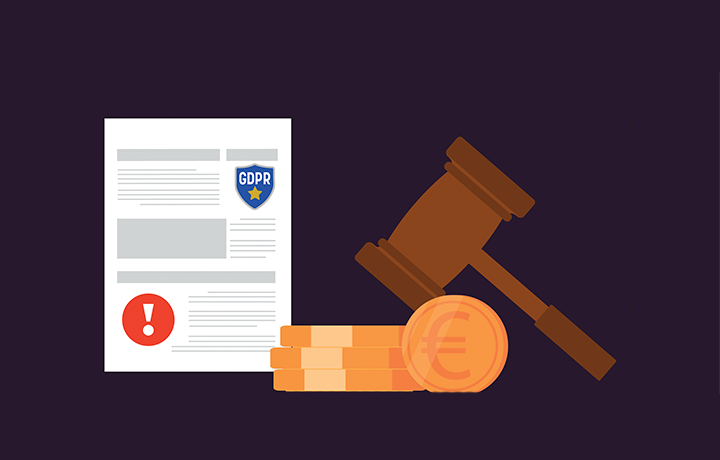
There are two types of fines under the GDPR with different monetary thresholds. The first are administrative fines under Art. 83(4) for less severe violations of specific sections limited to € 10 million or 2% of annual turnover for organizations.
We believe Limina's capabilities using machine learning to reduce privacy risks was a key reason for the acknowledgement.
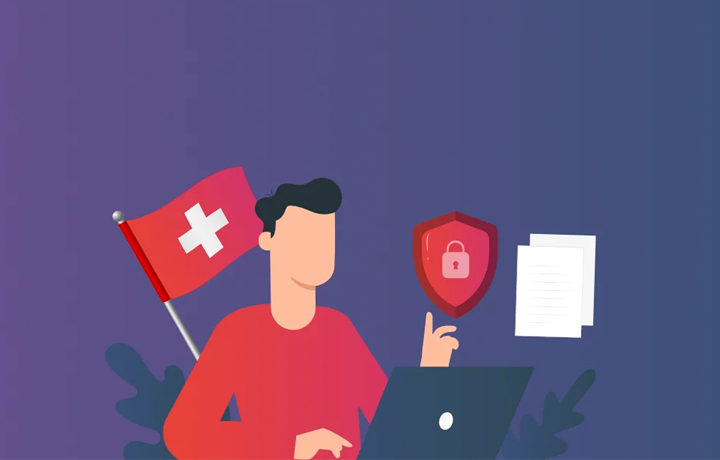
The revised Data Protection Act (DPA) in Switzerland is set to come into effect on September 1, 2023. The aim of the new law is to ensure that Switzerland maintains an adequate level of data protection according to the European Union (EU) standards, enabling the transfer of personal data across borders without additional measures.